

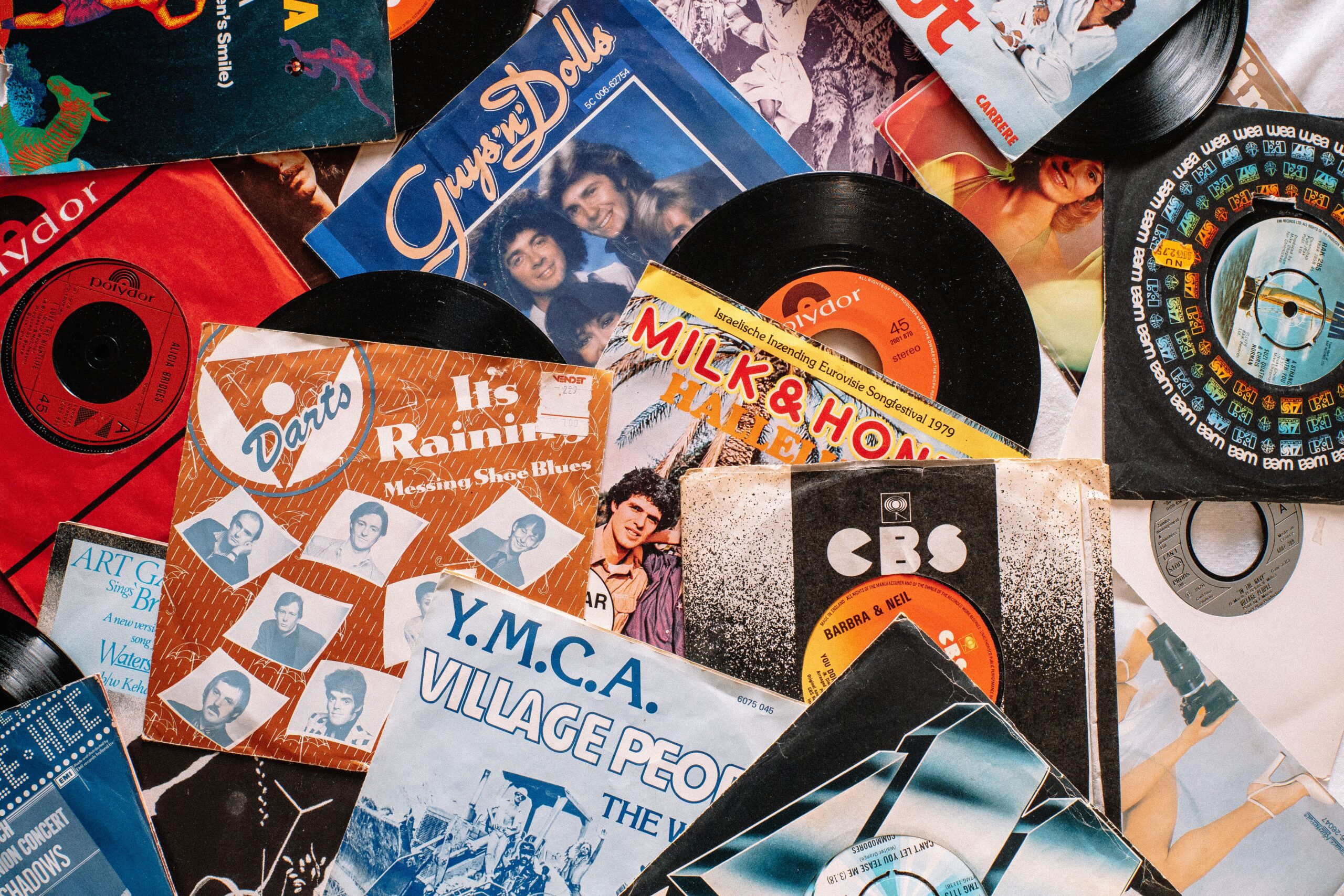
Music never stands still. Every generation believes its era produced the greatest songs, the best bands and the most exciting culture. For many music lovers, the 1970s remain one of the greatest decades in music history — a period filled with legendary artists, groundbreaking albums and unforgettable live performances. Meanwhile, today’s music scene is shaped by streaming, social media, viral trends and technology that would have seemed impossible fifty years ago.
But how different is modern music really compared to the 1970s? Has music improved, become more accessible and diverse, or has something important been lost along the way?
The answer depends on what listeners value most. What is undeniable, however, is that the music industry, the way songs are made and the way audiences consume music have changed dramatically since the 1970s.
The 1970s — A Golden Era for Albums
One of the biggest differences between the 1970s and today is the importance of the album.
During the 70s, albums were often viewed as complete artistic statements rather than simply collections of songs. Artists carefully planned track listings, themes and pacing to create an experience from beginning to end.
Classic albums such as Fleetwood Mac’s Rumours, Pink Floyd’s The Dark Side of the Moon, David Bowie’s The Rise and Fall of Ziggy Stardust and the Spiders from Mars and Led Zeppelin’s Physical Graffiti were designed to be listened to in full.
Fans would sit for hours studying album artwork, reading lyrics and absorbing every detail. Vinyl records encouraged a more focused listening experience because listeners physically engaged with the music. Choosing an album meant commitment.
Today, streaming platforms have transformed listening habits completely. Many listeners now consume individual tracks through playlists rather than full albums. Songs are often discovered through TikTok clips, YouTube Shorts or Spotify recommendations instead of traditional album releases.
While albums still matter to many artists, singles and viral moments have arguably become more important commercially than complete records.
The Sound of the 70s
The 1970s were incredibly diverse musically. Rock music dominated much of the decade, but disco, soul, funk, punk and reggae also exploded in popularity.
Artists such as Queen, Elton John, Stevie Wonder, Donna Summer, The Eagles and ABBA produced songs that remain instantly recognisable decades later. The decade also gave birth to punk through bands like The Clash, Sex Pistols and Ramones, while disco transformed nightlife and dance culture worldwide.
One reason many people admire 70s music is the emphasis on musicianship. Bands were expected to play instruments live and often spent years developing their skills before reaching mainstream success.
Guitar solos, live drumming and analogue recording techniques gave many 70s recordings a warm, human feel that fans still love today.
Modern music, by contrast, relies far more heavily on digital production. Computers, software and electronic tools now play a major role in almost every genre. This has allowed artists to experiment creatively in ways impossible during the 1970s, but some listeners feel modern recordings can sound overly polished or artificial.
Technology Has Changed Everything
Perhaps the biggest difference between 70s music and today is technology.
In the 1970s, recording an album was expensive and time-consuming. Artists worked in professional studios using analogue tape machines and large mixing desks. Mistakes often required complete retakes, meaning musicians needed strong performance skills.
Today, artists can produce professional-quality music from a laptop in a bedroom studio. Software allows vocals to be edited, instruments programmed and mistakes corrected instantly.
This has dramatically lowered barriers to entry within the music industry. Independent musicians can now release songs worldwide without needing major record labels.
Social media platforms such as TikTok, Instagram and YouTube have also transformed promotion. In the 70s, artists relied heavily on radio play, television appearances and music magazines. Today, one viral clip can launch a career overnight.
While technology has made music creation more accessible, critics argue that it has also flooded the industry with content, making it harder for truly exceptional artists to stand out.
Songwriting — Simpler or Smarter?
Another common debate is whether songwriting has changed for better or worse.
Many 1970s songs focused heavily on storytelling, emotional depth and musicianship. Artists such as Joni Mitchell, Bob Dylan and Bruce Springsteen became famous for writing detailed, poetic lyrics about life, politics and relationships.
Songs often developed slowly, allowing room for long instrumental sections and complex arrangements. Progressive rock bands like Pink Floyd and Genesis regularly released songs lasting well over six minutes.
Modern music tends to favour shorter tracks designed for streaming platforms and shorter attention spans. Hooks arrive faster, choruses repeat more often and intros are usually much shorter.
Part of this change comes from the way people now consume music. Streaming rewards replayability and immediate impact, encouraging artists to grab listeners quickly before they skip to another song.
However, it would be unfair to say modern songwriting lacks quality. Artists like Taylor Swift, Kendrick Lamar, Adele and Billie Eilish have all demonstrated strong storytelling ability in very different ways.
The style of songwriting has changed, but emotional connection remains just as important.
The Role of Live Music
Live music in the 1970s was often seen as the ultimate test of an artist’s talent.
Concerts by Led Zeppelin, Queen, David Bowie and The Rolling Stones became legendary because of the raw energy and unpredictability involved. Without modern backing tracks or advanced digital effects, performers relied heavily on musicianship and stage presence.
Festivals also became hugely important during the decade. Events such as Glastonbury began growing into major cultural occasions.
Today, live performances are far more technologically advanced. Massive video screens, special effects, pyrotechnics and digital sound systems create spectacular experiences for audiences.
Modern artists can reach enormous global audiences through livestreams and social media clips, something impossible during the 70s.
At the same time, some fans argue modern concerts can feel less spontaneous due to heavily choreographed performances and reliance on backing tracks.
Fame and Celebrity Culture
In the 1970s, musicians often seemed mysterious and larger than life.
Fans learned about artists through interviews, magazines and television appearances, meaning there was still a sense of distance between stars and audiences.
Today, social media has changed celebrity culture completely. Artists interact directly with fans on Instagram, TikTok and Twitter/X daily.
This can help musicians build stronger fan communities, but it also means stars face constant public scrutiny. Every comment, mistake or controversy can spread globally within minutes.
Modern artists are expected to maintain an online presence as well as produce music, something musicians in the 1970s never had to consider.
Music Industry Money
The music business itself has changed beyond recognition.
In the 1970s, artists earned large amounts through album sales. Physical records, cassettes and later CDs generated huge profits for both musicians and record companies.
Today, streaming dominates the industry. While platforms like Spotify and Apple Music have made music more accessible than ever, many artists earn far less per stream than they once did from physical sales.
Touring, merchandise and sponsorship deals have become increasingly important sources of income.
Ironically, while listeners now have access to almost every song ever recorded instantly, musicians often face greater financial challenges than artists did decades ago.
Diversity and Representation
One area where modern music has clearly expanded is diversity.
The 1970s music industry often lacked representation for many groups, particularly women and minority artists in certain genres.
Today’s music scene is far more global and inclusive. Artists from different backgrounds, cultures and identities can reach worldwide audiences more easily than ever before.
Genres also blend together more freely now. Modern artists regularly combine pop, hip-hop, electronic, rock and world music influences in ways that were less common during the 1970s.
This has created exciting new sounds and helped music evolve continuously.
Is Music Better Today?
The question every generation asks is whether music was better “back then.”
For many listeners, 70s music feels more authentic because of the emphasis on live instruments, album culture and musicianship. There is also nostalgia involved — songs become connected to memories, emotions and important moments in people’s lives.
However, modern music offers incredible variety, accessibility and creative freedom. Independent artists can now build careers without major labels, and listeners have access to more music than at any point in history.
Every era produces both brilliant music and forgettable trends. The difference is that time filters out weaker material, leaving only the classics remembered decades later.
That is why people often compare today’s average songs to the greatest tracks of the 1970s rather than the forgotten ones.
What Has Stayed the Same?
Despite all the technological and cultural changes, some things about music remain exactly the same.
People still use music to celebrate, escape, relax, cry, dance and connect emotionally with others.
A great song still has the power to stop listeners in their tracks, whether it comes from a vinyl record in 1975 or a streaming playlist in 2026.
Artists still write about love, heartbreak, ambition, fear and hope because human emotions never really change.
The tools and industry may evolve, but the emotional power of music remains timeless.
Final Thoughts
The differences between 70s music and today are enormous. Technology, streaming, social media and changing listening habits have transformed nearly every part of the music industry.
The 1970s gave us legendary albums, iconic bands and a strong culture around musicianship and live performance. Today’s music world offers greater accessibility, diversity and creative possibilities than ever before.
Neither era is completely better or worse — they are simply different reflections of their time.
What matters most is that great music continues to survive in every generation. Whether listeners prefer the warm analogue sounds of Fleetwood Mac and David Bowie or the modern production of today’s biggest artists, music still plays the same essential role in people’s lives.
And perhaps that is the one thing that will never change.
LISTEN NOW

CAPTIVATING READS

Our blog is packed with articles and stories based around lifestyle, business, design and wellbeing. Subscribe now to get all of our updated directly to your inbox every week.
Categories
- Business
- Business Broadcast
- Community
- Design
- Education
- Environment
- Events
- Fareham Borough Council
- Funding
- Gosport Borough Council
- Gosport Hospital Radio
- Hampshire County Council
- Health
- History
- Lifestyle
- Music
- Policing
- Politics
- Radio Show
- Royal Navy
- Sport
- Theatre
- Tips
- Transport
- Uncategorized
- Wellbeing