

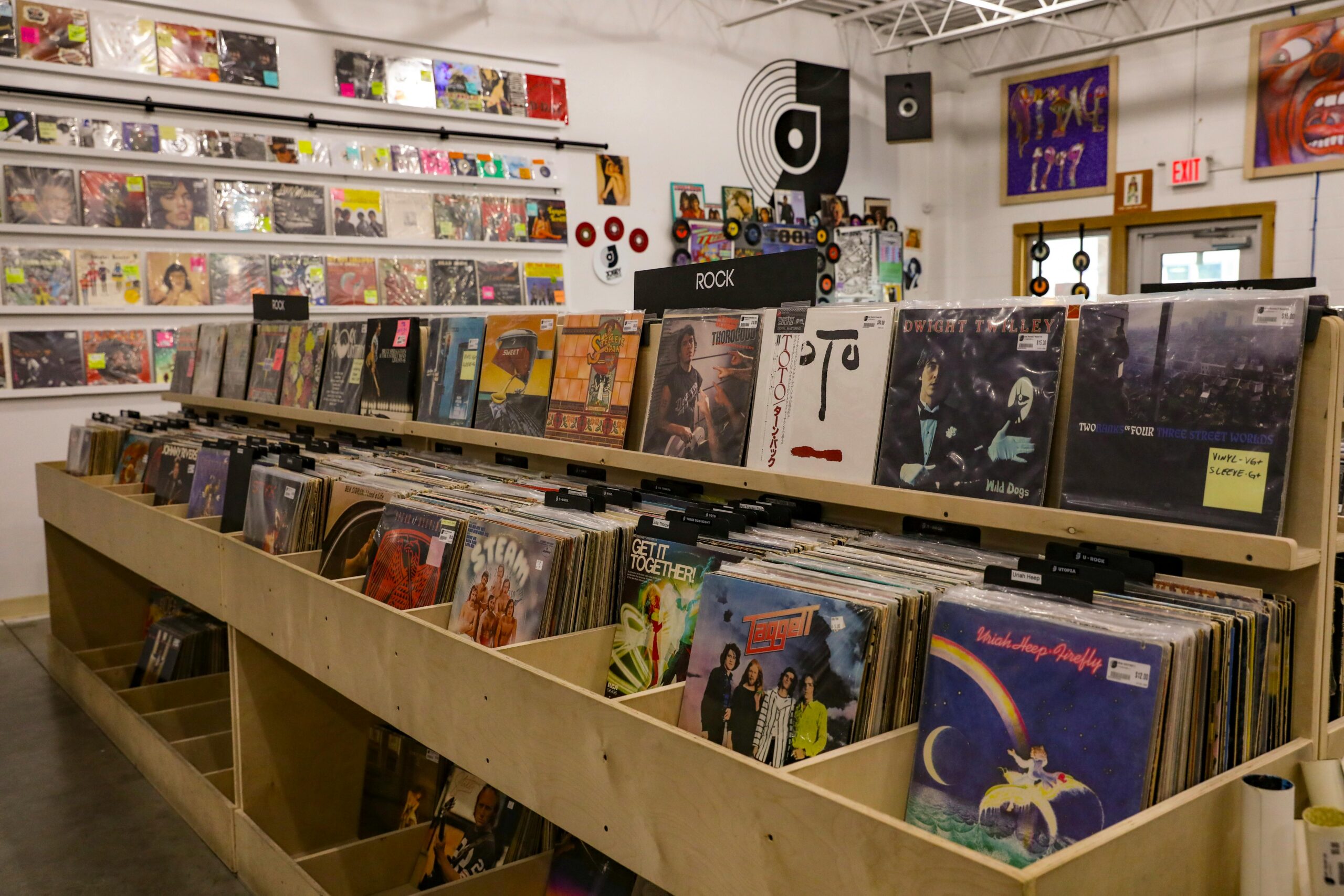
The UK has long been one of the most influential countries in the world when it comes to independent music culture. From punk and post-punk in the late 1970s to grime, dubstep, indie rock and experimental electronic music, some of the most important musical movements in modern history began not inside major-label boardrooms, but within small independent labels run by passionate people obsessed with discovering new sounds.
Independent labels have always been the lifeblood of British music. They take risks on unknown artists, support local scenes before they become commercially viable and create communities around genres that larger companies often overlook. While the music industry has changed dramatically in the streaming era, small indie labels continue to play an essential role in shaping what music sounds like in the UK today.
Across London, Manchester, Bristol, Leeds, Glasgow and countless smaller cities, independent labels are still operating with DIY ethics, limited budgets and a genuine love for creativity. Some specialise in underground dance music, others focus on post-punk, jazz, ambient, hip-hop or experimental sounds that refuse to fit neatly into categories.
Here are 20 of the best small independent record labels in the UK — labels that continue to influence underground culture while helping define the future of British music.
1. Speedy Wunderground
Few labels capture the spirit of modern UK alternative music quite like Speedy Wunderground. Founded by acclaimed producer Dan Carey in South London, the label became known for its unique recording philosophy: artists often record songs in a single day, preserving spontaneity and raw creative energy.
That approach has produced some of the most exciting guitar music of the last decade. Speedy Wunderground played a major role in introducing bands like Black Midi, Squid and Black Country, New Road before they became internationally recognised names.
What makes the label particularly important is how it reflects the current state of British indie music. Its releases are unpredictable, experimental and emotionally intense, often blending post-punk, noise rock, art rock and electronic influences into something entirely fresh.
The label proves that independent music still thrives when artists are given the freedom to experiment without commercial pressure.
2. PRAH Recordings
Operating out of Bristol, PRAH Recordings has quietly built one of the most respected catalogues in UK underground music.
The label focuses on experimental and genre-defying releases that blur the boundaries between ambient music, avant-garde pop, noise, spoken word and underground electronics. PRAH releases rarely fit comfortably into one category, which is exactly why the label has developed such a dedicated following.
Bristol has always had a rich musical identity, particularly within soundsystem culture and electronic experimentation, and PRAH continues that tradition in a modern context.
Rather than chasing streaming trends or viral success, the label prioritises originality and artistic individuality. Every release feels carefully curated, giving PRAH a strong identity despite operating on a relatively small scale.
3. Hessle Audio
Hessle Audio became one of the defining labels of modern UK club music by refusing to follow predictable formulas.
Founded by Ben UFO, Pearson Sound and Pangaea, the label emerged during the late 2000s as dubstep was beginning to fragment into multiple new directions. Instead of sticking to one genre, Hessle explored stripped-back rhythms, unusual percussion patterns and minimalist production techniques that reshaped the sound of underground electronic music.
The label’s influence on UK bass music is difficult to overstate. Its releases helped inspire countless producers working across techno, garage, breaks and experimental dance music.
Despite gaining international recognition, Hessle Audio still feels deeply connected to underground club culture rather than commercial dance music industries.
4. Touching Bass
Touching Bass represents much more than just a record label. Founded by DJ and broadcaster Errol, it exists as a wider cultural platform that includes club nights, radio shows and community-focused creative projects.
The label’s releases reflect the multicultural energy of modern London, drawing influence from jazz, soul, house, broken beat, hip-hop and experimental electronics.
What makes Touching Bass stand out is its emotional depth. Many releases prioritise atmosphere, storytelling and personal expression rather than simply creating dancefloor tracks.
In an era where much electronic music can feel disposable, Touching Bass releases often feel timeless and deeply human.
5. AD 93
Formerly known as Whities, AD 93 has become one of the UK’s most respected experimental electronic labels.
The label specialises in music that sits somewhere between techno, ambient, modern classical composition and abstract sound design. Its artists frequently challenge traditional ideas about rhythm, melody and song structure.
AD 93 also places enormous emphasis on visual identity. The label’s artwork, typography and overall aesthetic contribute to a cohesive artistic vision that extends beyond music itself.
For fans of boundary-pushing electronic music, AD 93 has become essential listening.
6. Gob Nation
Manchester-based Gob Nation represents the chaotic and uncompromising spirit of DIY punk culture.
The label focuses on noisy, politically charged and emotionally raw releases that reject the polished aesthetics of mainstream indie rock. Many of its artists combine punk aggression with experimental production and confrontational lyricism.
Gob Nation feels rooted in the traditional values of underground music scenes: authenticity, independence and community over commercial ambition.
Its catalogue reflects the continuing importance of grassroots alternative culture in Northern England.
7. Scenic Route
Another important Manchester label, Scenic Route has become closely associated with the city’s recent explosion of experimental post-punk and spoken word music.
The label releases records that feel cinematic, tense and emotionally intense, often combining electronic textures with unconventional songwriting approaches.
Scenic Route artists frequently explore themes of alienation, urban life and social anxiety, creating music that feels distinctly contemporary.
The label demonstrates how regional scenes continue to shape British music outside London’s industry infrastructure.
8. Planet Mu
Planet Mu has spent decades operating at the cutting edge of electronic music.
Founded by producer Mike Paradinas, the label became legendary within IDM, breakcore and experimental bass music circles. Over the years, Planet Mu has consistently signed artists years before wider audiences fully understood their sound.
The label later became hugely influential in introducing footwork music from Chicago to international audiences, helping connect underground scenes across continents.
Despite its enormous influence, Planet Mu still operates with the curiosity and adventurous spirit of a small independent label.
9. First Word Records
First Word Records occupies a unique position within UK independent music.
Founded in London in 2004, the label specialises in jazz-influenced hip-hop, soulful electronic production and groove-heavy instrumental music. Its catalogue blends live musicianship with beat culture in a way that feels warm, organic and timeless.
Rather than focusing on quick commercial success, First Word prioritises long-term artist development and carefully curated releases.
That commitment to quality has helped the label maintain a loyal audience for over two decades.
10. Nice Swan Records
Nice Swan Records has become one of the UK’s strongest labels for emerging guitar bands.
The label focuses heavily on post-punk revival, indie rock and alternative music, helping spotlight younger artists with sharp songwriting and powerful live performances.
Nice Swan understands how grassroots guitar music scenes function in the streaming era. The label combines strong visual branding, smart online promotion and genuine scene credibility.
Its roster reflects the restless, energetic mood currently driving British alternative music.
11. Wah Wah 45s
Wah Wah 45s has spent years championing eclectic music influenced by soul, funk, Latin rhythms, jazz and electronic production.
The label reflects the diversity of London’s underground club culture, where genres constantly overlap and evolve.
Unlike labels built around one specific sound, Wah Wah 45s thrives through variety and musical curiosity. Its releases often feel joyful, vibrant and globally connected.
That open-minded philosophy has helped the label remain relevant across changing musical eras.
12. Lost Map Records
Founded by musician Johnny Lynch, Lost Map Records operates from the Isle of Eigg in Scotland, making it one of the UK’s most geographically unusual independent labels.
The label specialises in colourful, imaginative indie music that embraces creativity without worrying about commercial trends.
Lost Map’s isolated setting contributes to its unique identity. Its artists often sound disconnected from traditional music industry expectations, creating records filled with warmth, humour and experimentation.
The label represents the enduring value of true independence in music culture.
13. Ilian Tape
Ilian Tape has become hugely influential within underground electronic music despite maintaining a relatively small operation.
The label specialises in textured, emotionally rich techno and bass-heavy club music influenced by UK soundsystem culture.
Its releases often balance dancefloor functionality with deep atmospheric complexity, attracting fans from both techno and experimental music scenes.
Ilian Tape’s success demonstrates how independent labels can build global reputations while staying artistically focused.
14. Accidental Records
Founded by producer and composer Matthew Herbert, Accidental Records encourages artists to push beyond conventional songwriting and production methods.
The label’s catalogue includes experimental electronics, jazz hybrids and politically engaged sound art projects.
Accidental Records has always prioritised innovation over accessibility, giving artists space to explore unusual ideas without compromise.
Its releases challenge listeners while expanding the possibilities of contemporary music.
15. Opal Tapes
Opal Tapes became one of the defining underground electronic labels of the 2010s.
Known for lo-fi production, cassette culture aesthetics and shadowy experimental sounds, the label developed a loyal following among fans of industrial techno, ambient noise and outsider electronics.
Opal Tapes releases often feel mysterious and deliberately rough around the edges, embracing imperfections rather than polished production.
That DIY aesthetic helped the label stand out within increasingly commercial electronic music scenes.
16. Livity Sound
Bristol’s Livity Sound helped redefine UK techno through sparse percussion, sub-heavy basslines and innovative rhythmic structures.
The label drew influence from soundsystem culture, dub and experimental electronic music while creating something entirely distinctive.
Livity Sound became closely associated with Bristol’s underground club scene and remains hugely respected among DJs and producers worldwide.
Its influence can still be heard across modern bass and techno music.
17. Permanent Creeps
Permanent Creeps has emerged as one of the UK’s rising alternative guitar labels.
The label focuses on shoegaze, dream-pop and emotionally driven indie music with strong DIY aesthetics.
Its artists often combine hazy production with introspective songwriting, creating records that feel intimate and atmospheric.
Permanent Creeps reflects the continued popularity of independent guitar music outside mainstream commercial trends.
18. Blah Records
Blah Records has become one of the UK’s most important underground hip-hop labels.
Founded in Manchester, the label built a fiercely independent rap scene centred around experimental production, surreal humour and unconventional lyricism.
Rather than following American rap trends, Blah artists developed a distinctly British identity rooted in regional culture and underground creativity.
The label’s influence on alternative UK hip-hop has been enormous.
19. Damadged Goods
When discussing legendary independent record labels in the UK, Damaged Goods Records deserves far more attention than it usually gets. While it may not have the commercial profile of labels like Rough Trade or XL Recordings, Damaged Goods has spent decades quietly becoming one of the most respected underground punk and garage rock labels in Britain.
Founded in East London in 1988, the label emerged directly from the DIY ethos that defined punk culture. What started as a small reissue project operating out of a living room eventually evolved into a hugely influential independent label known for championing garage punk, lo-fi rock’n’roll and outsider music.
20. Alcopop Records
Few modern UK independent labels embody the spirit of DIY music culture quite like Alcopop! Records. Known for its colourful branding, chaotic humour and fiercely independent attitude, the label has become one of the most recognisable names in Britain’s underground alternative scene.
Founded in 2006 by Jack Clothier in the Midlands, Alcopop! built its reputation by supporting emerging artists across indie rock, punk, emo and alternative music — often long before larger labels or mainstream media paid attention. Over the years, the label has developed a loyal fanbase thanks to its artist-friendly ethos, limited-edition vinyl releases and strong connection to grassroots music communities.
Why Small Independent Labels Still Matter
Small independent labels remain essential because they create space for experimentation, risk-taking and genuine artistic development.
Many of the sounds that eventually dominate mainstream culture begin within tiny underground labels run by people driven by passion rather than profit. Without indie labels, genres like grime, dubstep, post-punk revival and experimental electronic music might never have reached wider audiences.
Independent labels also provide something increasingly rare in the streaming era: identity and community. Fans often trust labels because they consistently release music with a shared aesthetic or philosophy.
In a world dominated by algorithms, independent labels still rely on human taste, local scenes and creative relationships. That makes them not only culturally important, but necessary.
For anyone serious about discovering the future of British music, following small independent labels remains one of the best ways to hear tomorrow’s most exciting artists long before they become mainstream.
Share This Story, Choose Your Platform!
LISTEN NOW

CAPTIVATING READS

Our blog is packed with articles and stories based around lifestyle, business, design and wellbeing. Subscribe now to get all of our updated directly to your inbox every week.