

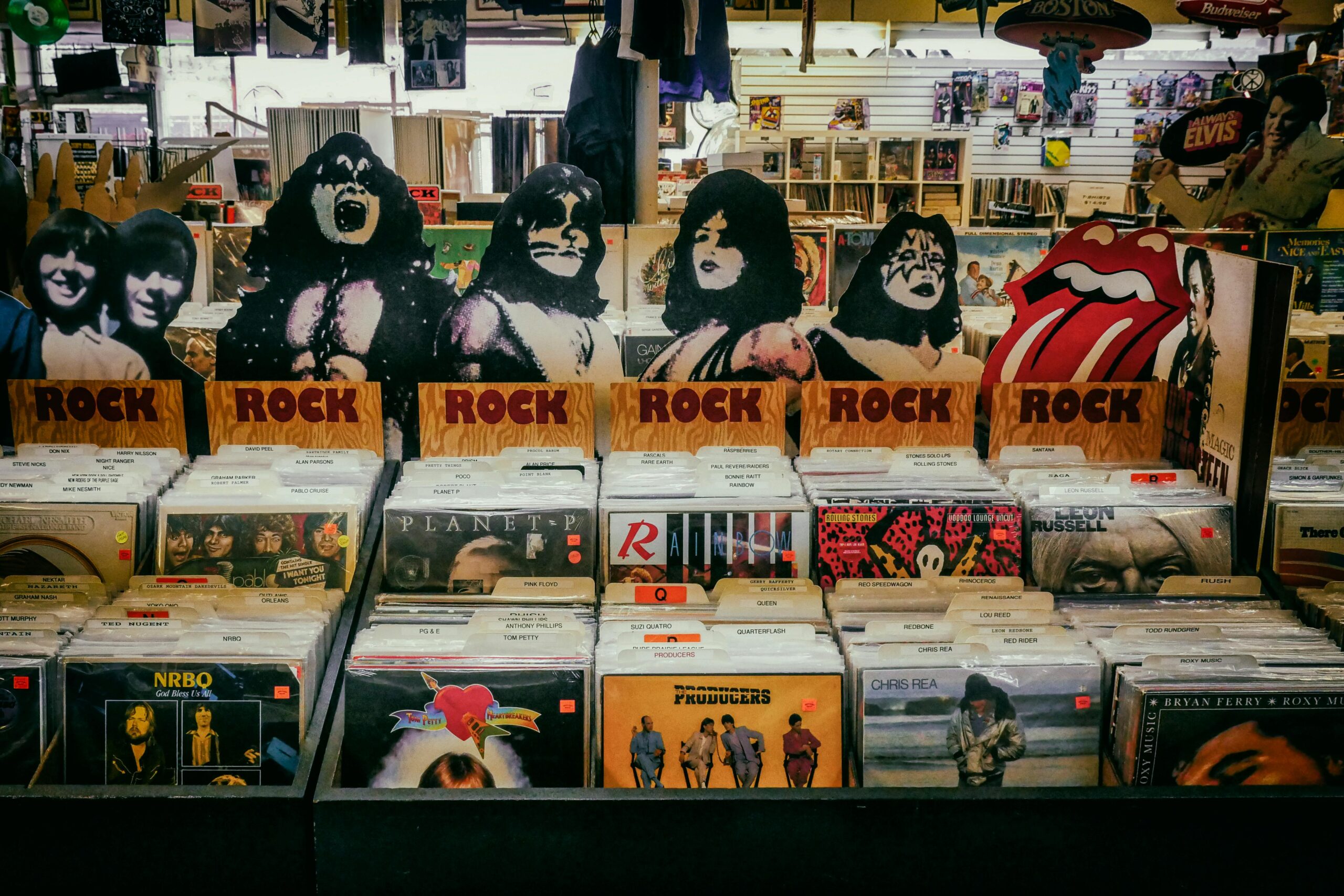
At Gosport Hospital Radio, music is more than just background noise—it’s a companion, a comfort, and often a powerful reminder of moments that matter. Across the decades we celebrate on air, two stand out as truly transformative: the 1960s and the 1970s. Both decades shaped modern music in profound ways, but the question remains—which was better? Was the 60s or 70s the greatest era in music?
It’s a debate that sparks passion, nostalgia, and strong opinions. The truth is, each era brought something unique to the table. Rather than declaring a simple winner, it’s worth exploring what made each decade so special—and why listeners still return to them time and time again.
The 1960s: A Revolution in Sound and Spirit
The 1960s were a time of cultural change, and music sat right at the heart of it. This was the decade where popular music evolved from simple entertainment into a form of artistic and social expression.
At the forefront were bands like The Beatles, whose influence on music—and culture—cannot be overstated. From early pop hits to groundbreaking albums, they redefined what a band could achieve. Alongside them, The Rolling Stones brought a raw, rebellious energy that contrasted perfectly with the Beatles’ melodic approach.
Meanwhile, in the United States, Motown was creating a polished, soulful sound that would dominate the charts. Artists like The Supremes and The Temptations delivered songs that were both emotionally rich and irresistibly catchy.
The 60s also gave rise to folk and protest music, with voices like Bob Dylan using lyrics to comment on social and political issues. This was music with a message—music that reflected a world in flux.
And then there was the explosion of psychedelic rock. Bands experimented with new sounds, studio techniques, and lyrical themes, pushing the boundaries of what music could be. The result was a decade that felt fresh, daring, and full of possibility.
Why the 60s Still Matter
What makes the 1960s so compelling is its sense of discovery. Artists were breaking new ground, often with little precedent. Albums became cohesive works of art rather than just collections of singles. Songwriting grew more sophisticated, and recording studios became laboratories for innovation.
For many listeners, the 60s represent the birth of modern music culture. It was the moment when music became more than just something to listen to—it became something to believe in.
The 1970s: Expansion, Diversity, and Mastery
If the 1960s were about revolution, the 1970s were about expansion. The groundwork laid in the previous decade allowed artists to explore new directions, resulting in an incredibly diverse musical landscape.
Rock music grew bigger and bolder. Bands like Led Zeppelin and Pink Floyd pushed the genre into new territories, combining technical skill with ambitious concepts. Arena rock became a defining feature of the decade, bringing music to massive audiences.
At the same time, artists like David Bowie embraced reinvention, blending music with theatre and visual identity. Bowie’s ever-changing persona captured the creative spirit of the 70s.
Disco emerged as a cultural phenomenon, with acts like Bee Gees and Donna Summer dominating dance floors around the world. Disco wasn’t just music—it was an experience, a lifestyle, and a celebration of rhythm and movement.
Soul and R&B continued to evolve, with artists like Stevie Wonder and Marvin Gaye creating deeply personal and socially conscious work. Their albums are still regarded as some of the greatest ever recorded.
Pop music also flourished, with bands like ABBA delivering polished, melodic hits that achieved global success.
Why the 70s Stand Out
The 1970s are often seen as a decade of refinement. Artists built on the innovations of the 60s, developing their sound and exploring new genres. The result was music that felt more expansive and, in many cases, more technically accomplished.
It was also a decade of individuality. Musicians were encouraged to express themselves in unique ways, leading to a wide range of styles—from progressive rock and disco to punk and soft rock.
For listeners, this diversity means there’s always something new to discover. The 70s offer a richness that keeps people coming back, whether they’re reliving memories or exploring the era for the first time.
60s vs 70s: Key Differences
While both decades produced incredible music, their approaches were often quite different.
The 1960s were about breaking rules. Artists experimented with form, content, and production, often driven by a desire to challenge the status quo. The music felt urgent, reflective of a world undergoing rapid change.
The 1970s, on the other hand, were about exploring possibilities. With fewer boundaries, artists could refine their craft and delve deeper into specific genres. The music became more varied, offering something for every taste.
In simple terms, the 60s laid the foundation, while the 70s built the house.
The Listener’s Perspective
At Gosport Hospital Radio, the question of which decade is better often comes down to personal connection. For some listeners, the 1960s represent youth, change, and unforgettable moments. For others, the 1970s bring back memories of dance floors, road trips, and iconic concerts.
In a hospital setting, both decades play an important role. Familiar songs can provide comfort, reduce stress, and create a sense of normality. Whether it’s a gentle ballad from the 60s or an upbeat anthem from the 70s, the right song can make a real difference.
Presenters often find that requests span both decades, reflecting the timeless appeal of the music. It’s not uncommon to hear a Beatles classic followed by a disco hit—and that contrast is part of what makes hospital radio so special.
So, Which Was Better?
The honest answer is that it depends on what you value in music.
If you’re drawn to innovation, cultural impact, and the excitement of something entirely new, the 1960s might be your favourite. It was a decade that changed everything.
If you prefer diversity, polished production, and a wide range of styles, the 1970s may have the edge. It was a decade that expanded and perfected what came before.
In reality, the two decades are deeply connected. The music of the 70s wouldn’t exist without the breakthroughs of the 60s. Together, they form a golden era that continues to influence artists and delight listeners today.
A Celebration of Both Eras
Rather than choosing one over the other, perhaps the best approach is to celebrate both. Each decade offers something unique, and together they represent one of the most exciting periods in music history.
At Gosport Hospital Radio, that’s exactly what we aim to do. Through our programmes, we bring these songs back to life, creating moments of joy, reflection, and connection for our listeners.
Whether you find yourself tapping your foot to a Motown classic or swaying to a disco groove, one thing is certain—the music of the 60s and 70s still has the power to move us.
Final Thoughts
Music is deeply personal, and debates like “60s vs 70s” are part of what makes it so engaging. They spark conversations, bring back memories, and remind us of the role music plays in our lives.
So next time you tune in, ask yourself: which decade speaks to you? Is it the revolutionary spirit of the 60s, or the rich diversity of the 70s?
Whichever you choose, you’re in good company—and you’re listening to some of the greatest music ever made.
Share This Story, Choose Your Platform!
LISTEN NOW

CAPTIVATING READS

Our blog is packed with articles and stories based around lifestyle, business, design and wellbeing. Subscribe now to get all of our updated directly to your inbox every week.